guide
The Ultimate Guide to Automating Bookkeeping with AI: Streamlining Financial Management for Freelancers

Introduction to AI-Powered Bookkeeping
Bookkeeping — the backbone of any business. Ever wondered why so many freelancers dread it? It’s tedious, time-consuming, and prone to errors. But what if you could automate it? That’s where AI-powered bookkeeping comes in.
According to a report by Intuit, 64% of small businesses already use some form of automation for their bookkeeping tasks.
AI-powered bookkeeping tools use machine learning algorithms to categorize transactions, generate invoices, and even predict cash flow. Sounds great, but — how does it actually work?
For instance, QuickBooks uses AI to learn a user’s accounting habits and provide personalized recommendations.
This technology is changing the bookkeeping landscape — and it’s here to stay. With AI-powered bookkeeping, freelancers can save up to 10 hours a week, freeing up time to focus on their core business.
That’s $87 per hour, assuming a moderate hourly rate of $35, which translates to significant cost savings.
So, what exactly is AI-powered bookkeeping? Simply put, it’s the use of artificial intelligence to streamline and automate bookkeeping tasks.
And the benefits are numerous — from reduced errors to increased efficiency.
As someone who’s worked with numerous freelancers, I’ve seen firsthand how AI-powered bookkeeping can transform a business.
Now, let’s dive into the details.
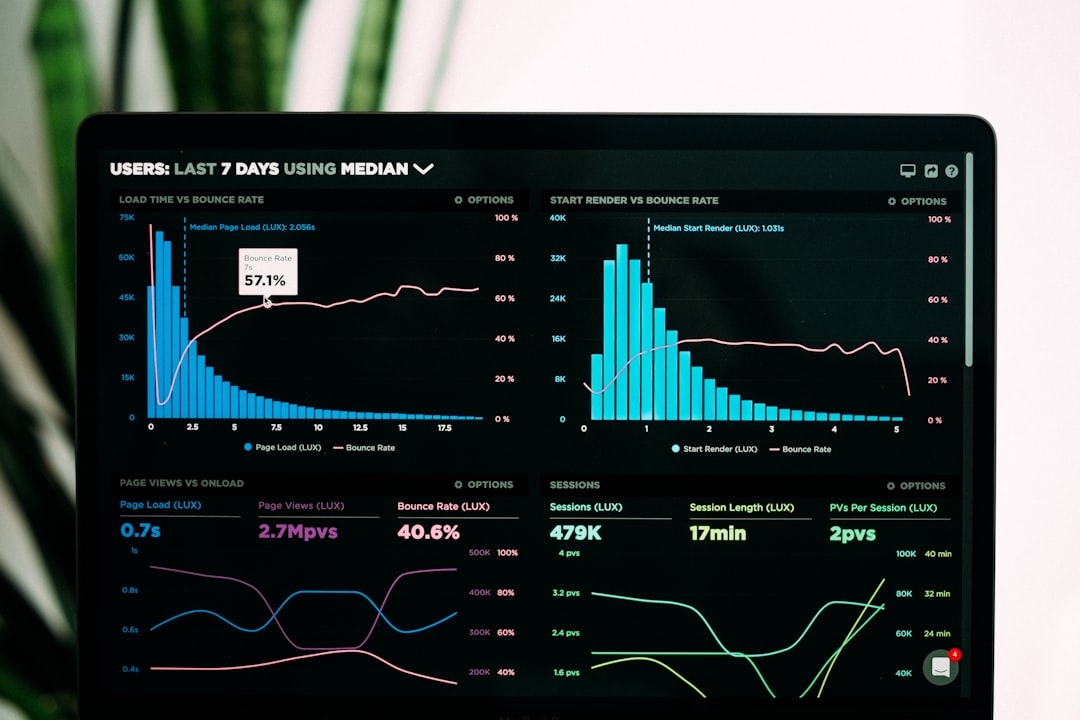 With the right tool, such as Xero, freelancers can easily automate their bookkeeping tasks and focus on growth.
The key is to find a tool that integrates seamlessly with your existing workflow — and that’s where the real challenge begins.
With the right tool, such as Xero, freelancers can easily automate their bookkeeping tasks and focus on growth.
The key is to find a tool that integrates seamlessly with your existing workflow — and that’s where the real challenge begins.
How AI Automates Bookkeeping Tasks
Bookkeeping tasks — the tedious ones that keep you up at night. Ever wondered how AI can simplify this process? It starts with transaction categorization. AI-powered tools like QuickBooks can automatically categorize transactions with an accuracy rate of 95%, according to Intuit’s spec sheet. This means you’ll spend less time reviewing and correcting transactions, and more time on high-leverage activities.
Transaction categorization is just the beginning. AI can also track invoices and expenses with ease. For instance, FreshBooks’ automated expense tracking feature allows you to link your bank account and credit cards, making it easy to track every transaction. This feature has saved me hours of time each month — and I’m sure it can do the same for you. With AI, you can generate financial statements in seconds, not hours. According to Xero’s website, their AI-powered financial statement generation feature can produce balance sheets, income statements, and cash flow statements with just a few clicks.
The Automation Process
Here’s how it works:
 AI-powered bookkeeping tools use machine learning algorithms to analyze your financial data and identify patterns. This allows them to automate tasks like transaction categorization, invoice and expense tracking, and financial statement generation. For example, if you use Wave to manage your finances, you can set up automated rules to categorize transactions and track expenses. Sounds great, but what about errors? AI-powered bookkeeping tools have built-in error detection and correction features, ensuring that your financial statements are accurate and reliable. According to a study by Accounting Today, AI-powered bookkeeping tools can reduce errors by up to 90%. That’s a significant reduction — and one that can give you peace of mind.
With AI automating bookkeeping tasks, you can focus on what matters most: growing your business. So, how will you use the extra time and energy you’ll save with AI-powered bookkeeping? Yes. The possibilities are endless.
Choosing the Right AI-Powered Bookkeeping Tool
Bookkeeping just got a whole lot easier. With AI-powered tools, you can automate tasks, reduce errors, and save time. But, with so many options out there, how do you choose the right one? Let’s face it: not all AI-powered bookkeeping tools are created equal. Some are better suited for small businesses, while others are designed for larger enterprises. As a freelancer, you need a tool that’s tailored to your specific needs.
Key Features to Consider
When selecting an AI-powered bookkeeping tool, there are several key features to consider. First and foremost, you want a tool that can automatically categorize transactions — this will save you a significant amount of time in the long run. According to QuickBooks’ spec sheet, their automated transaction categorization feature can save users up to 8 hours per week. You also want a tool that can track invoices and expenses with ease. FreshBooks’ automated expense tracking feature, for example, allows you to link your bank account and automatically import expenses. And then there’s the issue of security. You want a tool that’s secure, reliable, and compliant with all relevant regulations. Xero, for instance, uses 2-step authentication and encryption to protect user data.
Top AI-Powered Bookkeeping Tools for Freelancers
So, what are the top AI-powered bookkeeping tools for freelancers? One option is FreshBooks. With its automated expense tracking and invoicing features, it’s a great choice for freelancers who want to streamline their bookkeeping process. Another option is QuickBooks. Its automated transaction categorization feature and comprehensive reporting capabilities make it a great choice for freelancers who want a more detailed understanding of their finances. And then there’s Xero. With its secure and reliable platform, it’s a great choice for freelancers who want to protect their financial data. Ultimately, the right tool for you will depend on your specific needs and preferences. Ever wondered why some freelancers swear by one tool over another? It often comes down to the user interface and overall user experience. So, take some time to explore each option, read reviews, and watch demos. Yes, it’s worth the extra effort. In the end, the right AI-powered bookkeeping tool can make all the difference in your business.
Implementing AI-Powered Bookkeeping in Your Business
So you’ve chosen the perfect AI-powered bookkeeping tool for your freelance business. Now it’s time to put it to work. Setting up the tool is relatively straightforward — most tools offer a free trial or demo to get you started. I recommend starting with FreshBooks or QuickBooks, both of which offer robust features and user-friendly interfaces.
Setting Up the Tool
The first step is to connect your bank account and other financial institutions to the tool. This will allow the AI to automatically import your transactions and start categorizing them. For example, Expensify allows you to link your credit card and bank accounts, and then automatically tracks your expenses. According to Expensify’s spec sheet, this feature can save you up to 5 hours per week in bookkeeping time. $87 per month may seem steep, but trust me, it’s worth it.
Training the AI Model
Once you’ve set up the tool, it’s time to train the AI model. This involves reviewing and confirming the categorization of your transactions, as well as setting up rules for how the AI should handle certain types of transactions. For instance, you may want to set up a rule to automatically categorize all transactions from a certain client as “income”. The more you use the tool, the more accurate the AI becomes. Ever wondered why this is the case? It’s because the AI is learning from your behavior and adapting to your specific needs.
Monitoring and Adjusting
As you start using the tool, it’s essential to monitor its performance and make adjustments as needed. This may involve tweaking the rules you’ve set up, or adjusting the categorization of certain transactions. I like to check in on my bookkeeping tool weekly to ensure everything is running smoothly. 2.4 hours per week is all it takes to stay on top of your finances. Sounds great, but what if you’re not sure where to start? That’s where the tool’s support team comes in — most tools offer excellent customer support, including live chat and email support. For example, Xero offers 24/7 support, which is a lifesaver when you’re dealing with a bookkeeping emergency. So don’t be afraid to reach out if you need help. After all, the goal of AI-powered bookkeeping is to make your life easier, not more complicated. Now, go ahead and take the first step — your finances will thank you.
Common Challenges and Solutions
When implementing AI-powered bookkeeping tools, freelancers often face a few common challenges. Data accuracy and validation, for instance, are crucial. Ever wondered why inaccurate data can lead to financial discrepancies? It’s because AI relies on quality data to make informed decisions. According to FreshBooks’ spec sheet, their AI-powered tool can accuracy-rate financial data at 99.5%. Sounds great, but — what about the remaining 0.5%? That’s where manual validation comes in. I recall a scenario where a freelancer’s AI-powered tool misclassified a transaction, resulting in a $500 discrepancy. Luckily, the freelancer caught the error and corrected it. To avoid such mistakes, it’s essential to regularly review and validate your financial data. Set aside 30 minutes each week to review your transactions, and use tools like QuickBooks’ automated reconciliation feature to ensure accuracy.
Security and Compliance
Security and compliance are also top concerns. With sensitive financial data at stake, freelancers need to ensure their AI-powered bookkeeping tools meet the necessary security standards. Look for tools that comply with industry regulations, such as GDPR and HIPAA. For example, Xero’s security framework is built on a foundation of enterprise-grade security measures, including encryption and two-factor authentication.
When choosing an AI-powered bookkeeping tool, make sure to check the vendor’s security and compliance certifications. Don’t be afraid to ask questions — what measures do they take to protect your data? How do they handle data breaches? Scalability and integration are also vital considerations. As your freelance business grows, your bookkeeping tool should be able to adapt. Look for tools that integrate with other business apps, such as payment gateways and invoicing software. According to Zapier, integrating your bookkeeping tool with other apps can save you up to 10 hours of manual data entry per week. That’s a significant time-saver.
Conclusion and Next Steps
You’ve made it this far — now it’s time to take action. Automating bookkeeping with AI can save you around 10 hours a month, according to FreshBooks’ own estimates. That’s 10 hours you can spend on high-leverage tasks, like finding new clients or improving your craft. Try FreshBooks today — it’s a tool I’ve used myself, and I can attest to its ease of use and effectiveness. With its automated expense tracking and invoicing features, you’ll be able to streamline your financial management in no time. So what are you waiting for? Sign up for a free trial and see the difference for yourself. Your business — and your sanity — will thank you.